Insight
Heritage projects: balancing thermal performance with period aesthetics
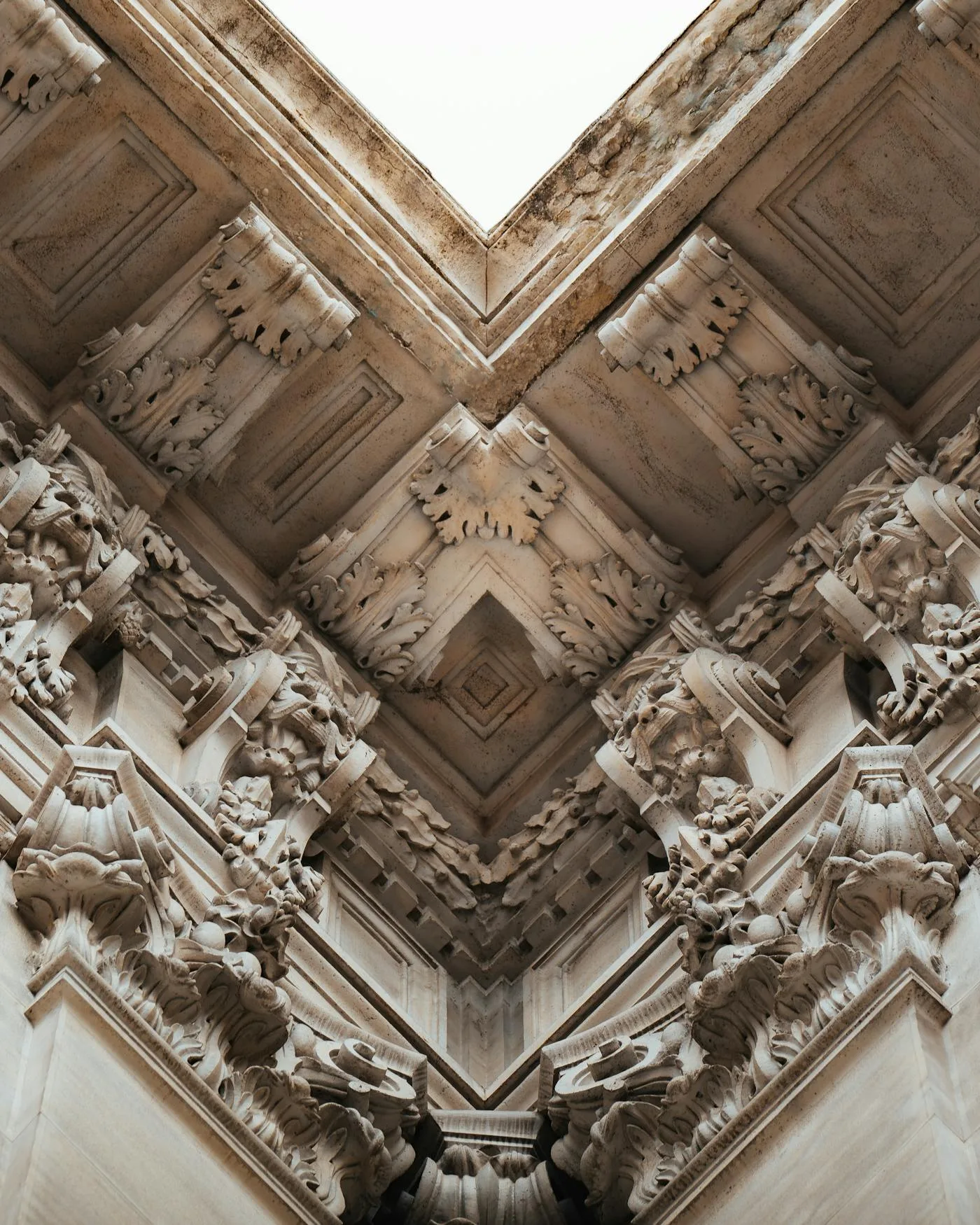
Heritage projects account for a significant portion of our work at Glassmorph, and they consistently present the most interesting engineering challenges. The brief is almost always the same: achieve modern thermal performance without altering the character of the original building.
Planning constraints in conservation areas typically restrict external appearance — sightline widths, glazing bar profiles, and the depth of reveals are all subject to scrutiny. Our response has been to develop slimmer profiles specifically for heritage applications, where the visible frame width matches the original timber or steel sections while the internal cavity provides the space for thermal breaks and modern sealing systems.
Glass specification is equally important. Original single glazing is rarely acceptable to conservation officers as a comparison benchmark, but the step to standard double glazing can noticeably alter the reflectivity and colour cast of the glass, which affects the character of the facade. We work with specialist glass suppliers to source low-iron, neutral-tint options that read more like the original glazing while meeting current standards.
On listed buildings, the process requires close collaboration with conservation officers from the earliest design stage. We have found that presenting detailed technical drawings alongside physical samples — showing the actual sightline width and hardware profile — resolves most objections early. The key is demonstrating that the thermal improvement is being achieved through the cavity and coating specification, not through a visual change to the frame.
If you are working on a heritage project and would like to discuss specification options, our technical team is available for consultations at our Watford showroom.